


How do you choose a changing bag? The complete guide for modern parents
Choosing a changing bag: a decision that really matters
The changing bag is one of those accessories you take everywhere — to friends' houses, to the park, out for a walk, away on holiday. It comes along on every outing, carried first by one parent, then the other, hooked onto the pushchair or slung over a shoulder. In that sense, choosing it carefully is not parental vanity: it is a practical decision that will shape your daily life for two or three years.
And yet, faced with the sheer number of options on the market, choosing a changing bag can quickly become bewildering. Shape, capacity, material, number of pockets, how you carry it, how it stands up to washing… so many criteria to weigh up. This guide is here to help, clearly and without jargon.
Capacity: striking the balance between roominess and lightness
The first question to ask yourself is capacity. A bag that is too small will force agonising choices before every outing. A bag that is too big becomes a burden on your shoulders — and a black hole in which everything disappears.
Capacity by your baby's age
For a newborn (0–3 months), allow a bag of 15 to 20 litres. Newborns need frequent changes, milk (expressed or formula), spare clothes, a blanket. A comfortable capacity lets you carry all of that without cramming everything in.
Between 4 and 12 months, needs change: starting solids adds a few extras (pot, spoon, bibs), but nappies take up less room. A bag of 15 to 18 litres remains ideal.
From a year old, the load gradually lightens. A bag of 12 to 15 litres is generally enough for everyday outings.
The false good idea of "go big and be done with it"
Many parents instinctively reach for the biggest model available. The intention is a good one — never to run short — but the reality is more nuanced. An oversized bag tends to grow heavier, because you end up filling it entirely, often with things you don't need. And a heavy bag is a bag you come to resent.
Our advice: aim for just what you need, and adapt with additional pouches that let you adjust your kit outing by outing.
Interior organisation: the key to being efficient
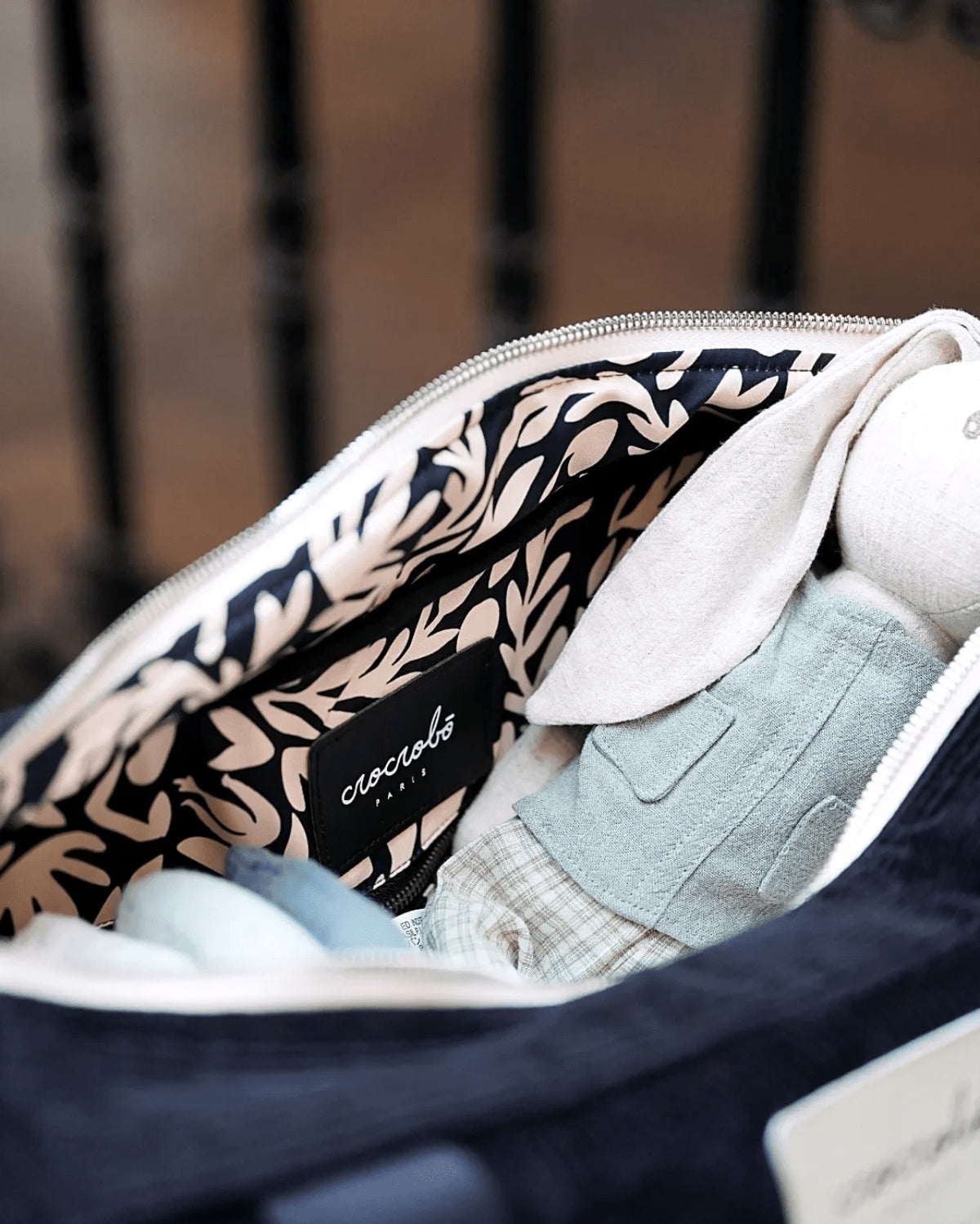
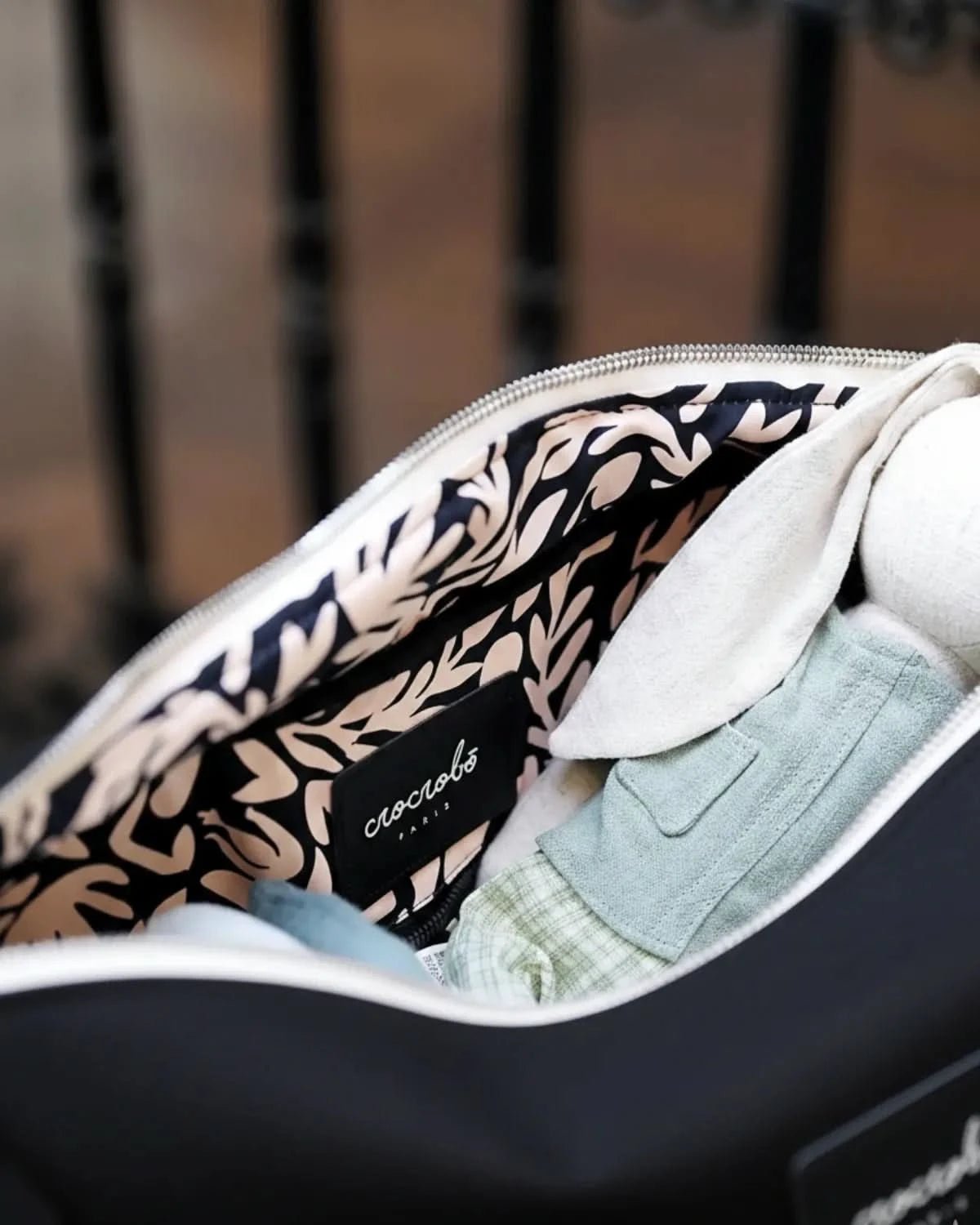
A good changing bag is not simply roomy — it is organised. Because whatever you are hunting for mid-emergency-change, you need to find it blind, with one hand, while the other holds your baby.
The essential compartments
Ideally, your changing bag should offer:
- A large main compartment for nappies, clothes and bulkier kit
- One or more outside pockets you can reach without opening the bag (for dummies, keys, phone)
- Insulated or lined pockets for bottles or jars of food
- A side pocket for a water bottle
- A secure inner pocket (zipped) for your own things: wallet, documents
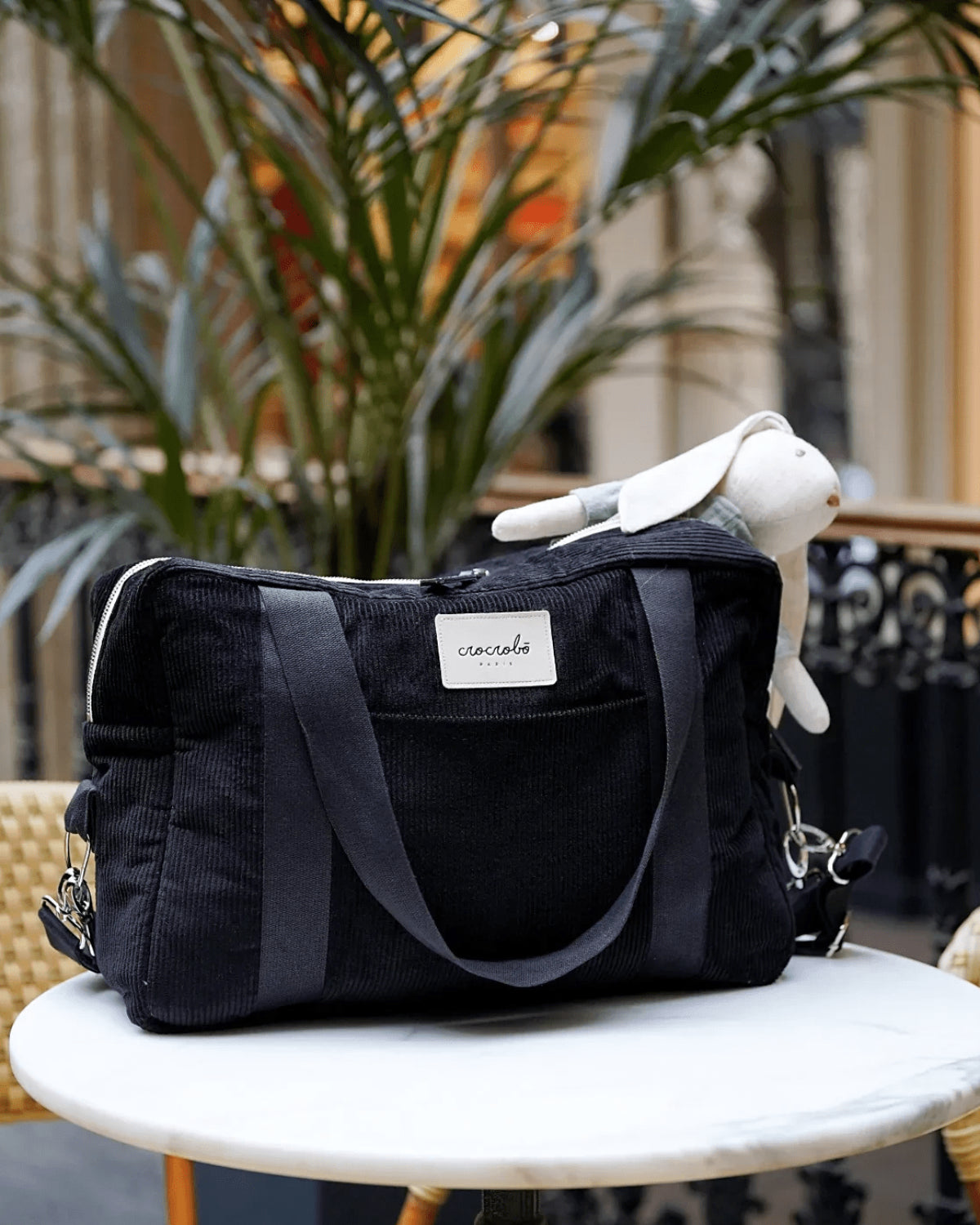
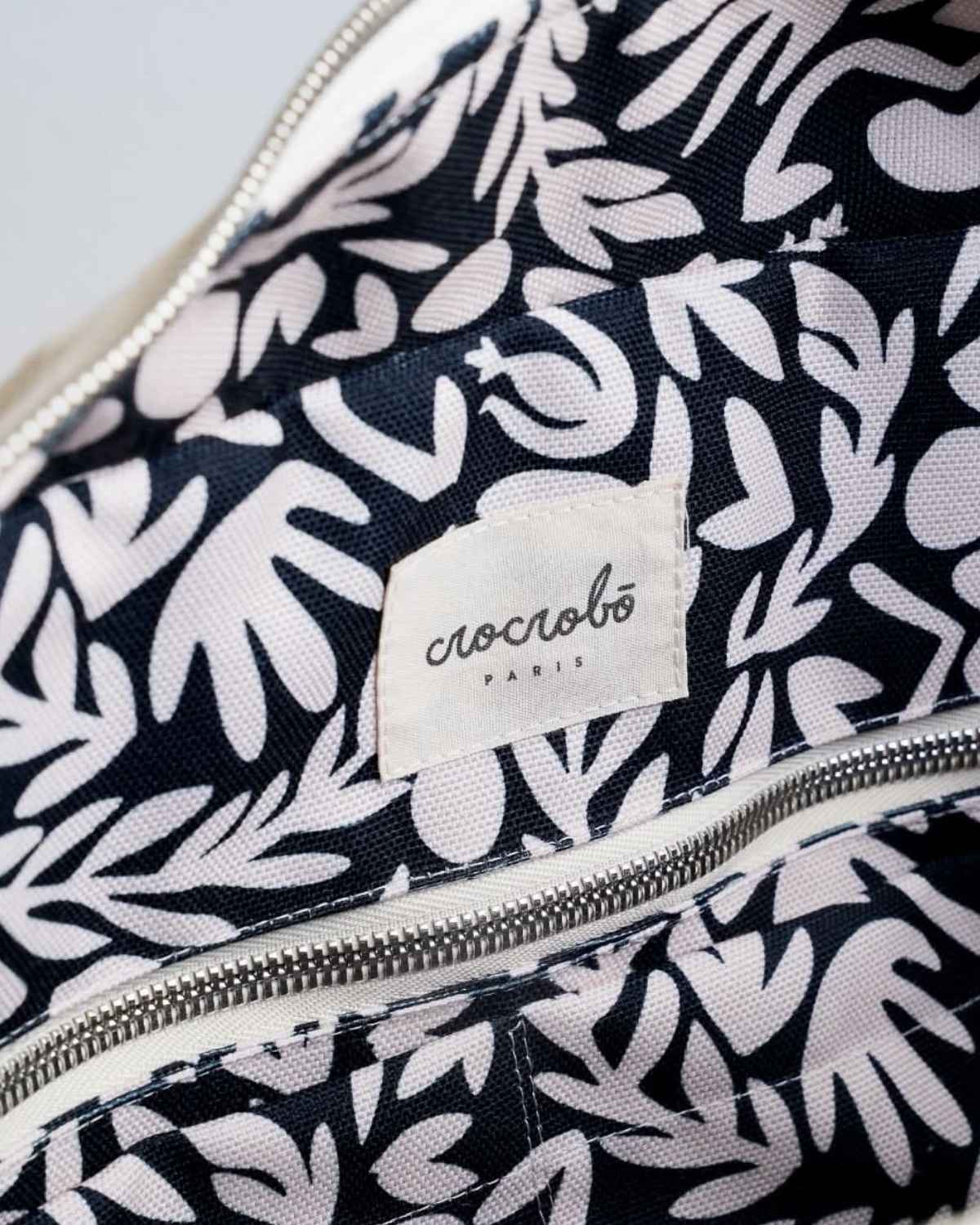
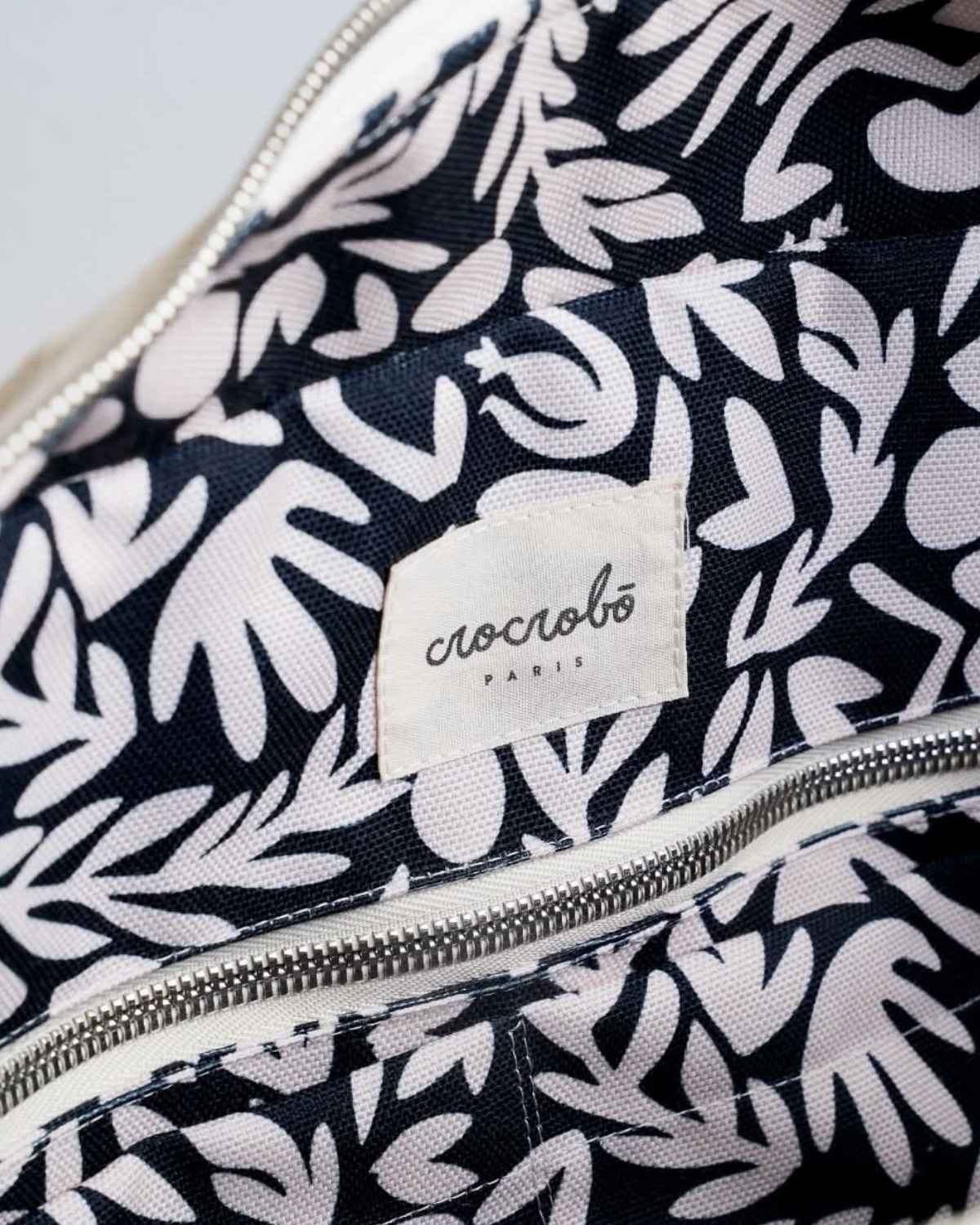
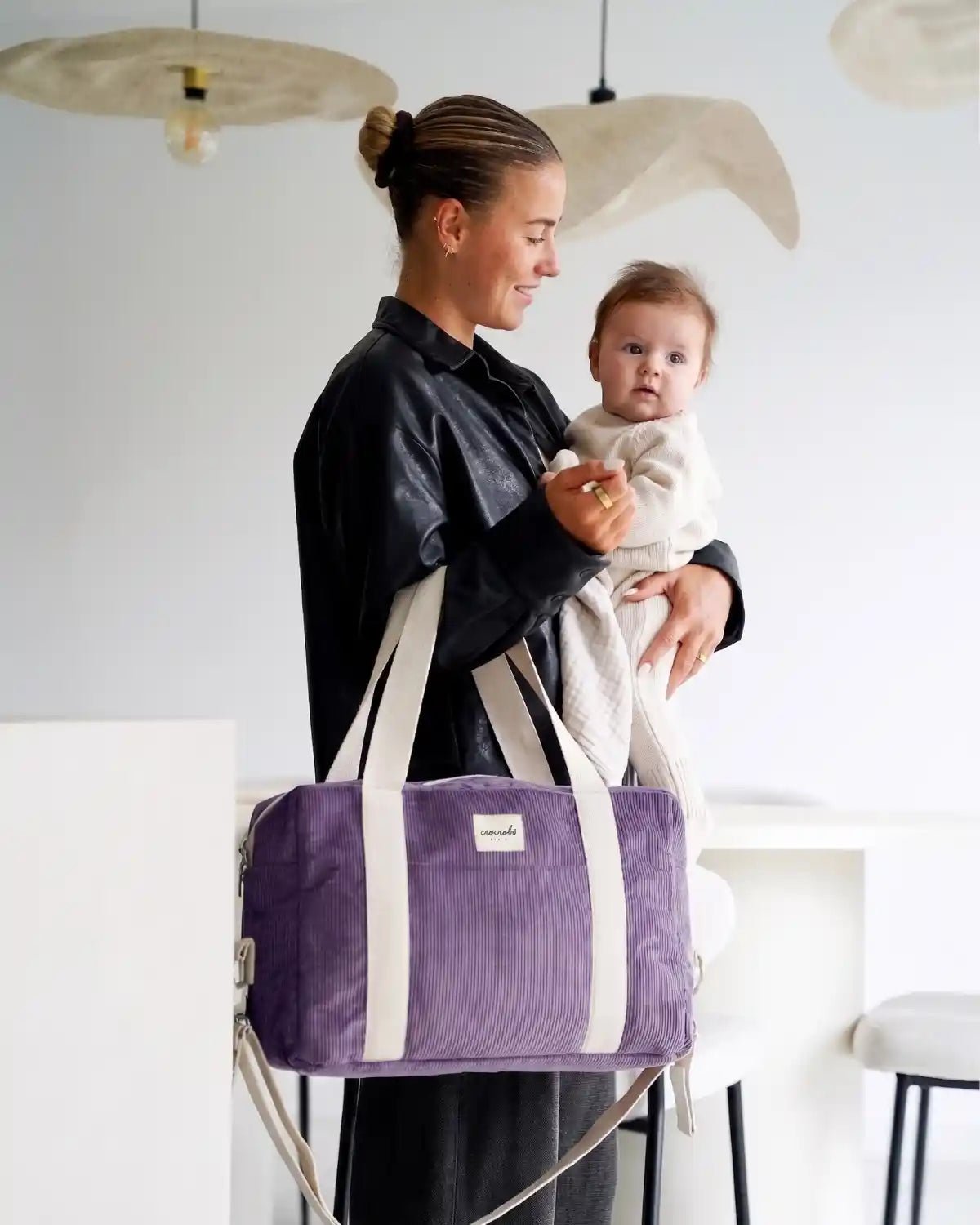
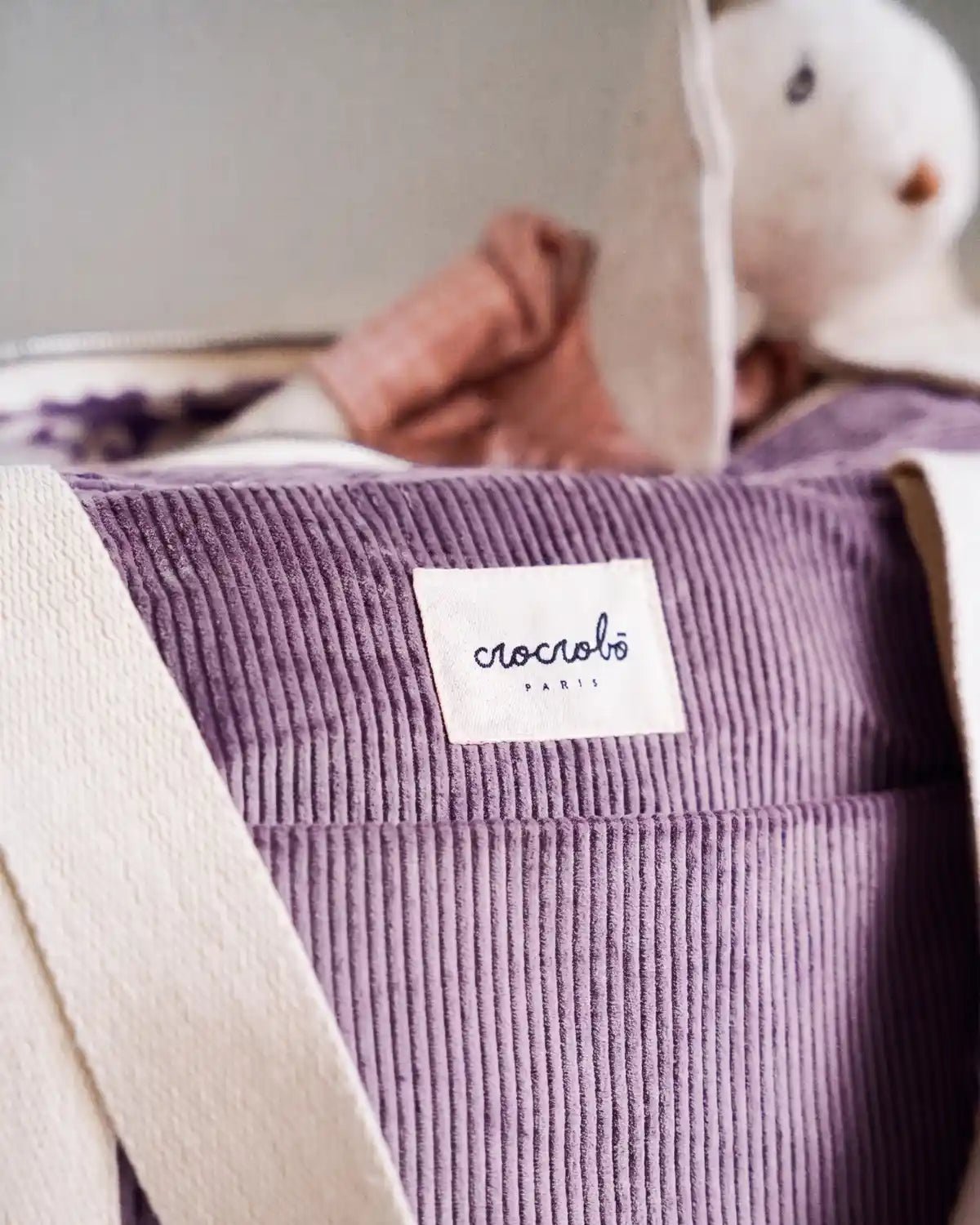
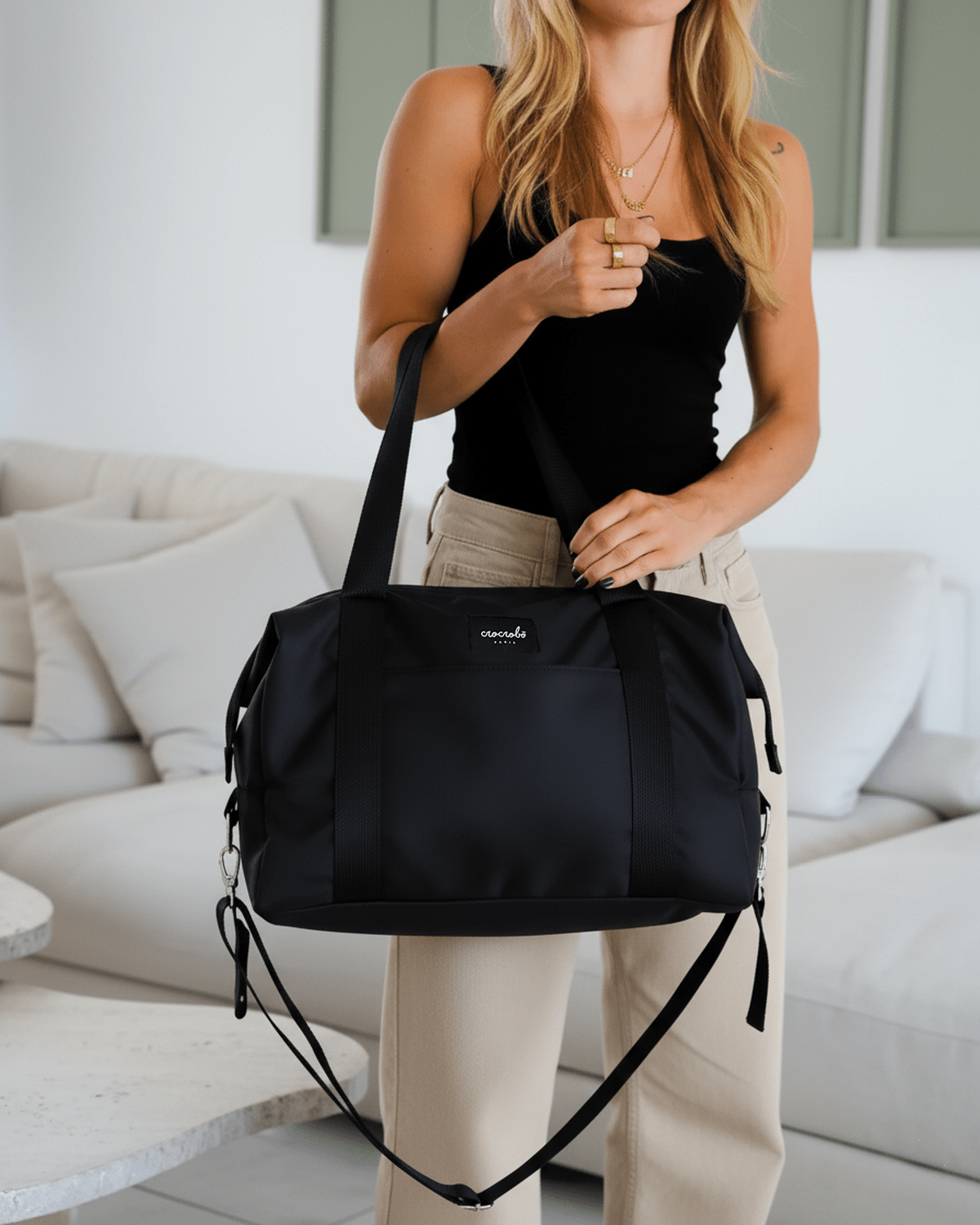
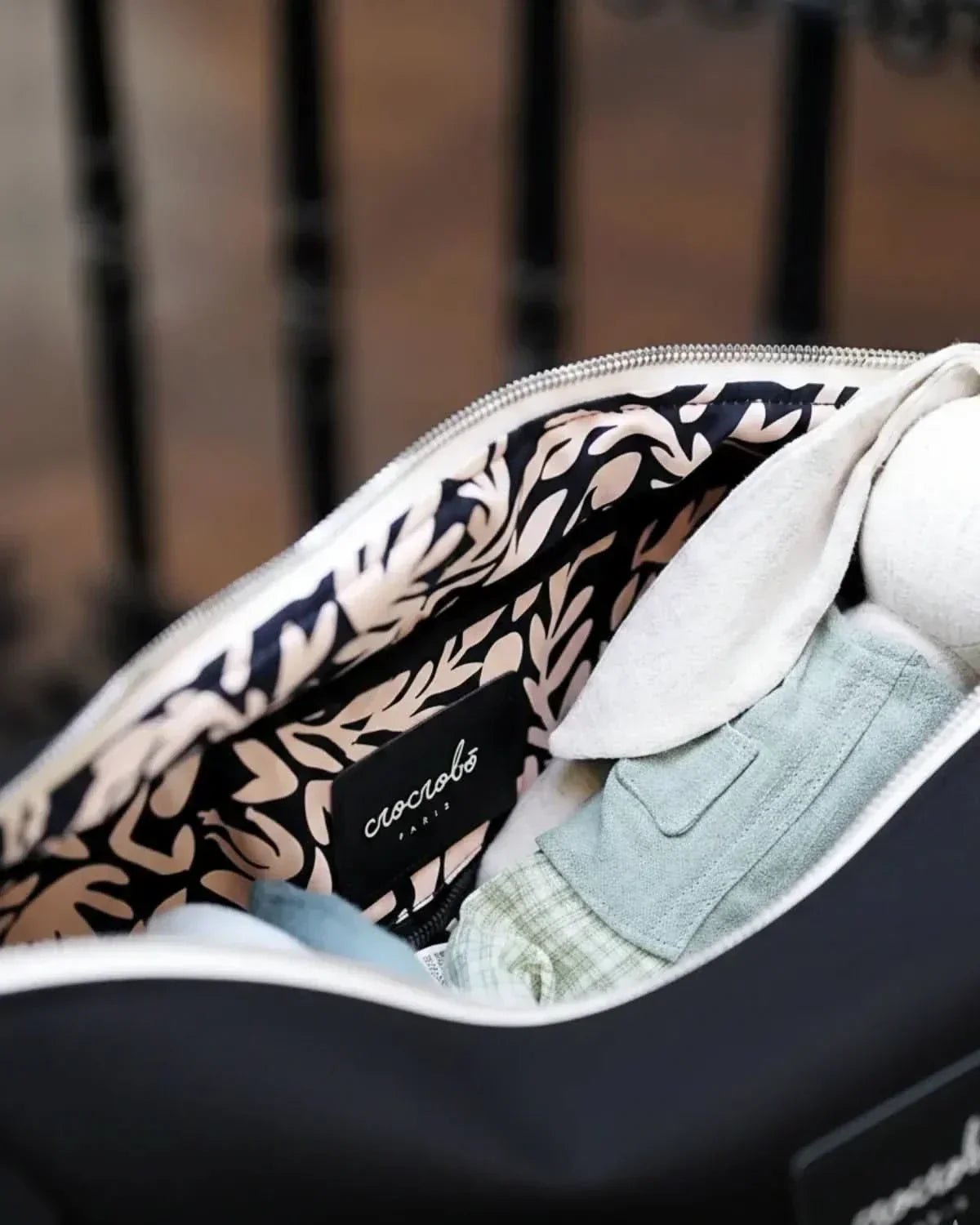
The bags in the Crocrobō Paris collection were designed against exactly these criteria, with particular attention paid to accessibility — every pocket sits where your hand naturally falls.
Built-in changing mat, or separate?
Many changing bags include a changing mat. Handy in theory, this accessory can prove bulky if it is poorly made or hard to clean. If your bag doesn't include one — or if you would prefer a more hygienic alternative — a separate travel changing mat is often the better solution. It can be machine washed on its own, and replaced if need be.
Material: durability, safety and ethics
The material of your changing bag deserves particular attention, for two distinct reasons: how well it lasts and how safe it is for your baby.
What certifications guarantee
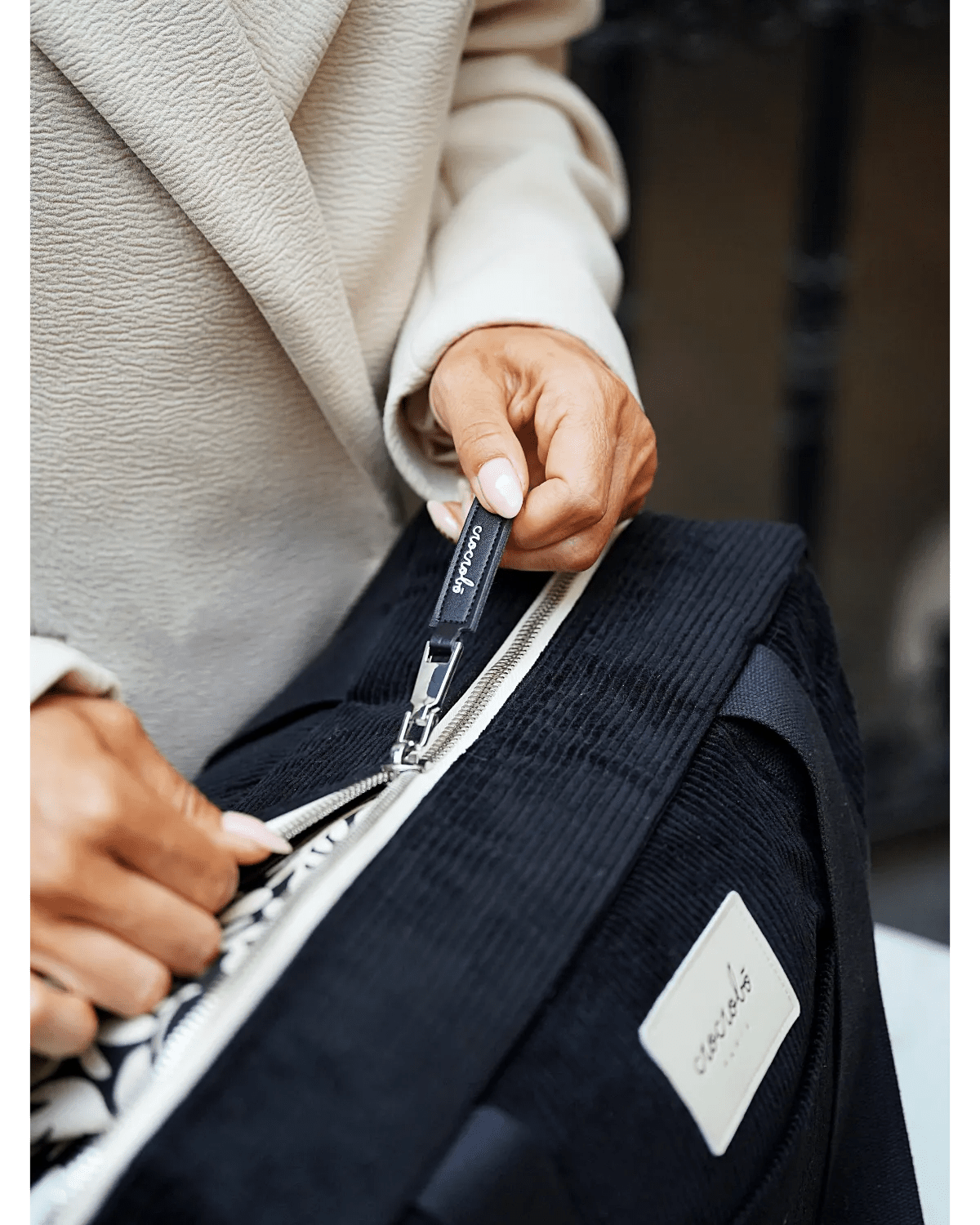
A quality changing bag should ideally carry OEKO-TEX Standard 100 certification, which guarantees that the textiles contain no harmful chemical substances. That is valuable reassurance when you consider that your baby may grab, chew or rub their hands over the bag's materials.
At Crocrobō Paris, we have chosen OEKO-TEX certified materials, with no animal leather — a vegan approach that belongs to a wider vision of conscious parenthood.
Ease of care: an often underrated criterion
Your changing bag will face splashes, stains and forgotten pots of fruit purée. How easily it can be cleaned — ideally in the machine or with a damp cloth — is an essential criterion, and one you regret overlooking the first time an accident happens.
Go for water-repellent treated fabrics or washable linings, and check the care instructions before you buy.
How you carry it: matching the bag to your daily life
It can never be said often enough: the best changing bag is the one you carry comfortably. And "comfortably" depends entirely on how you live.
The shoulder strap: elegance on the move
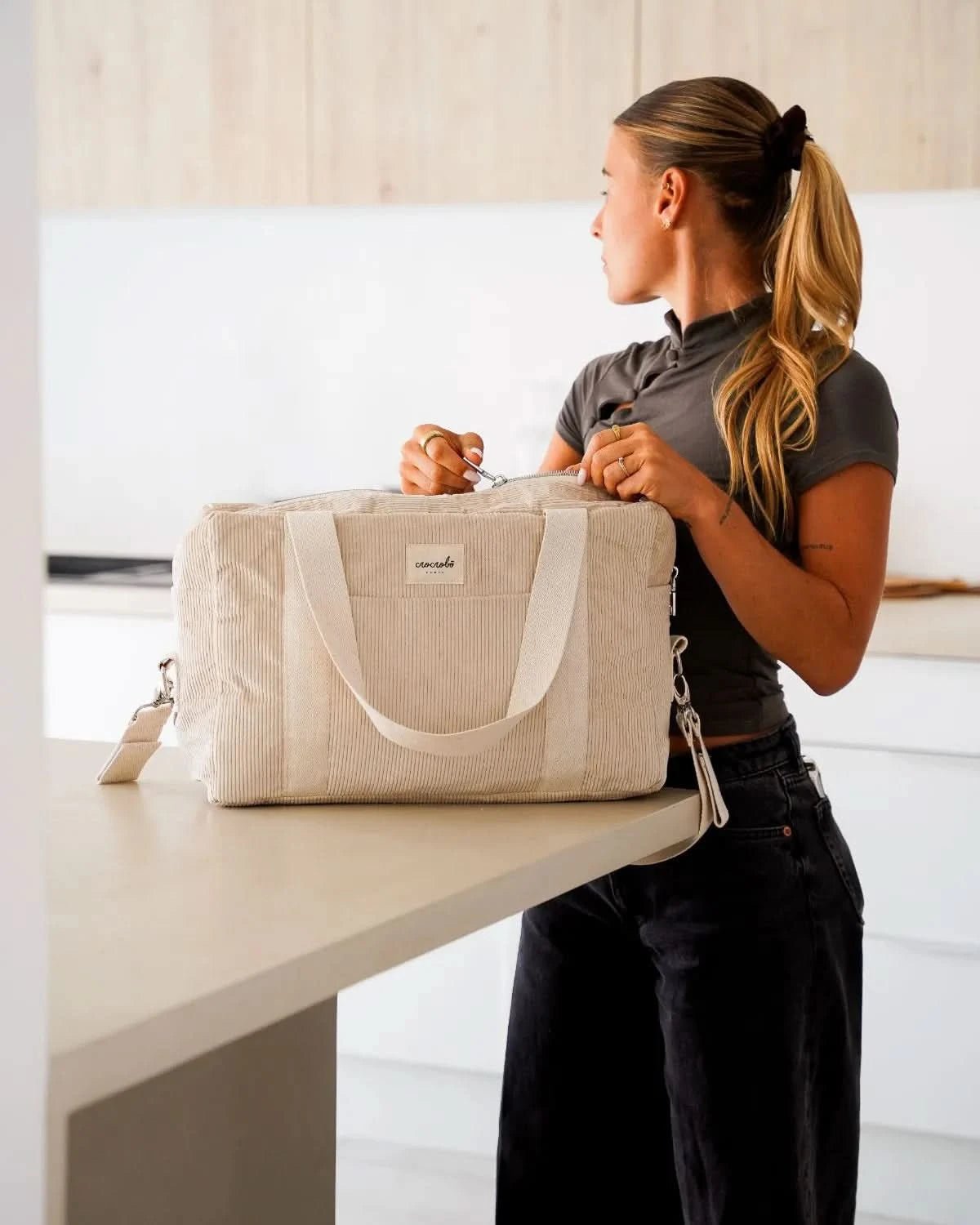
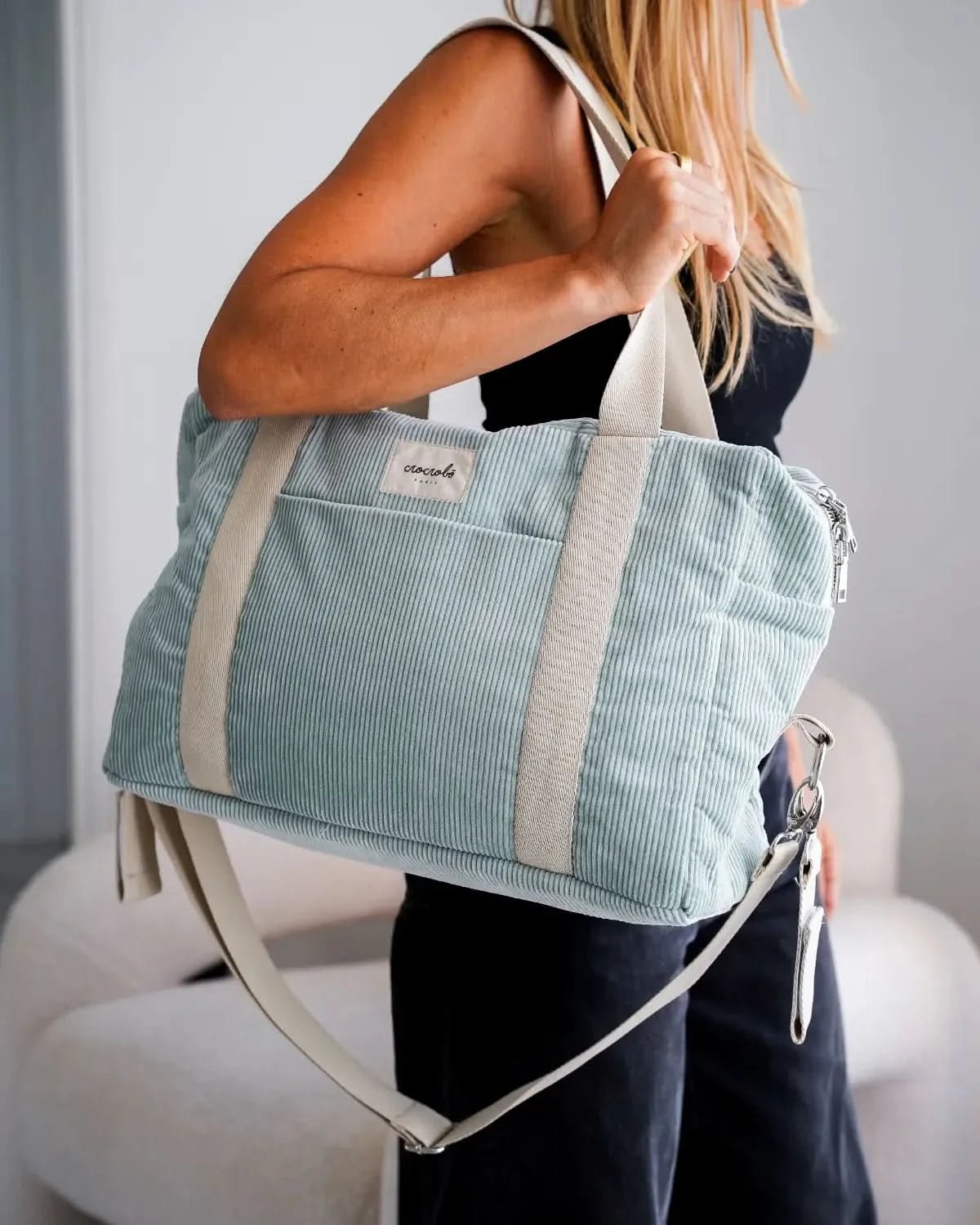
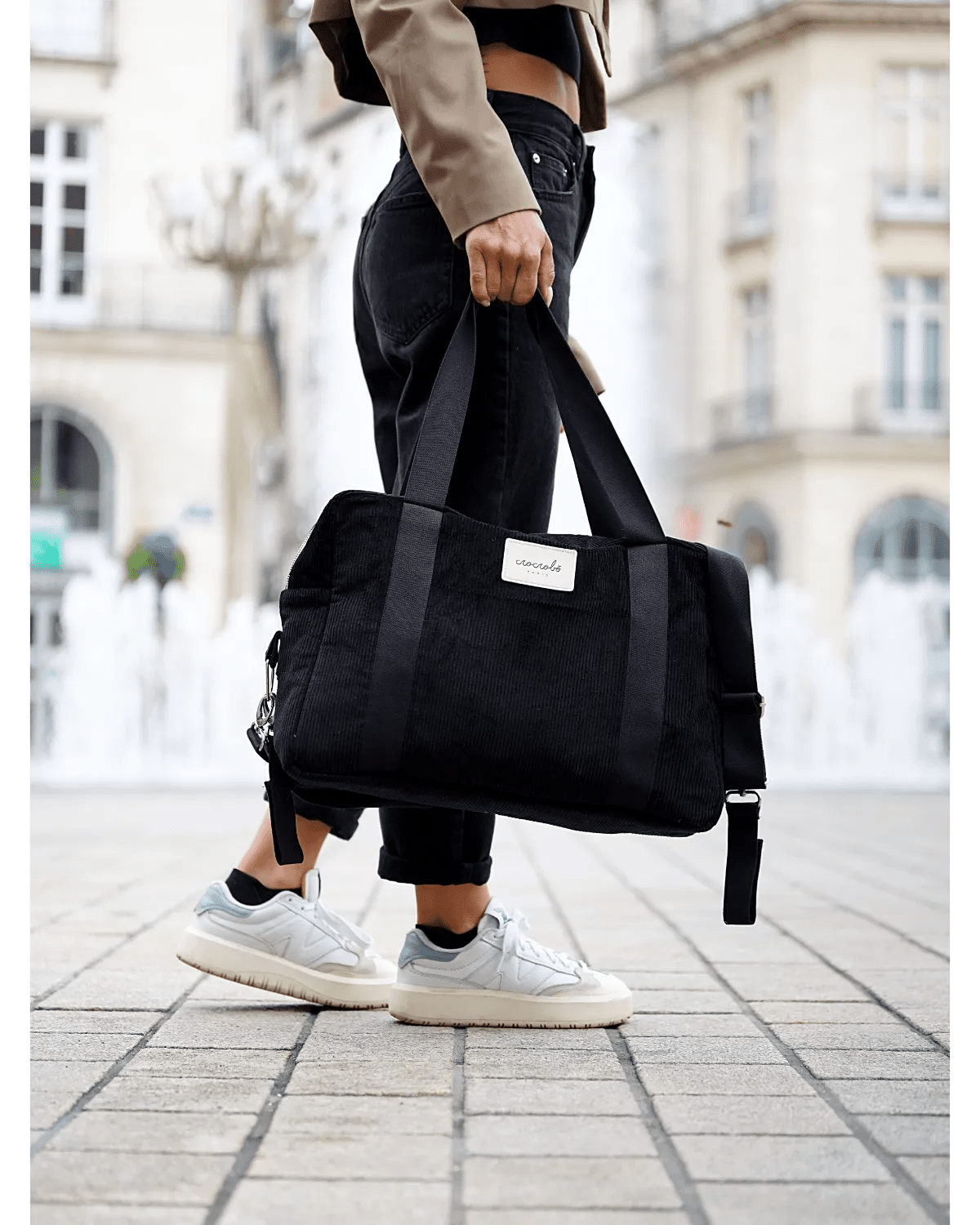
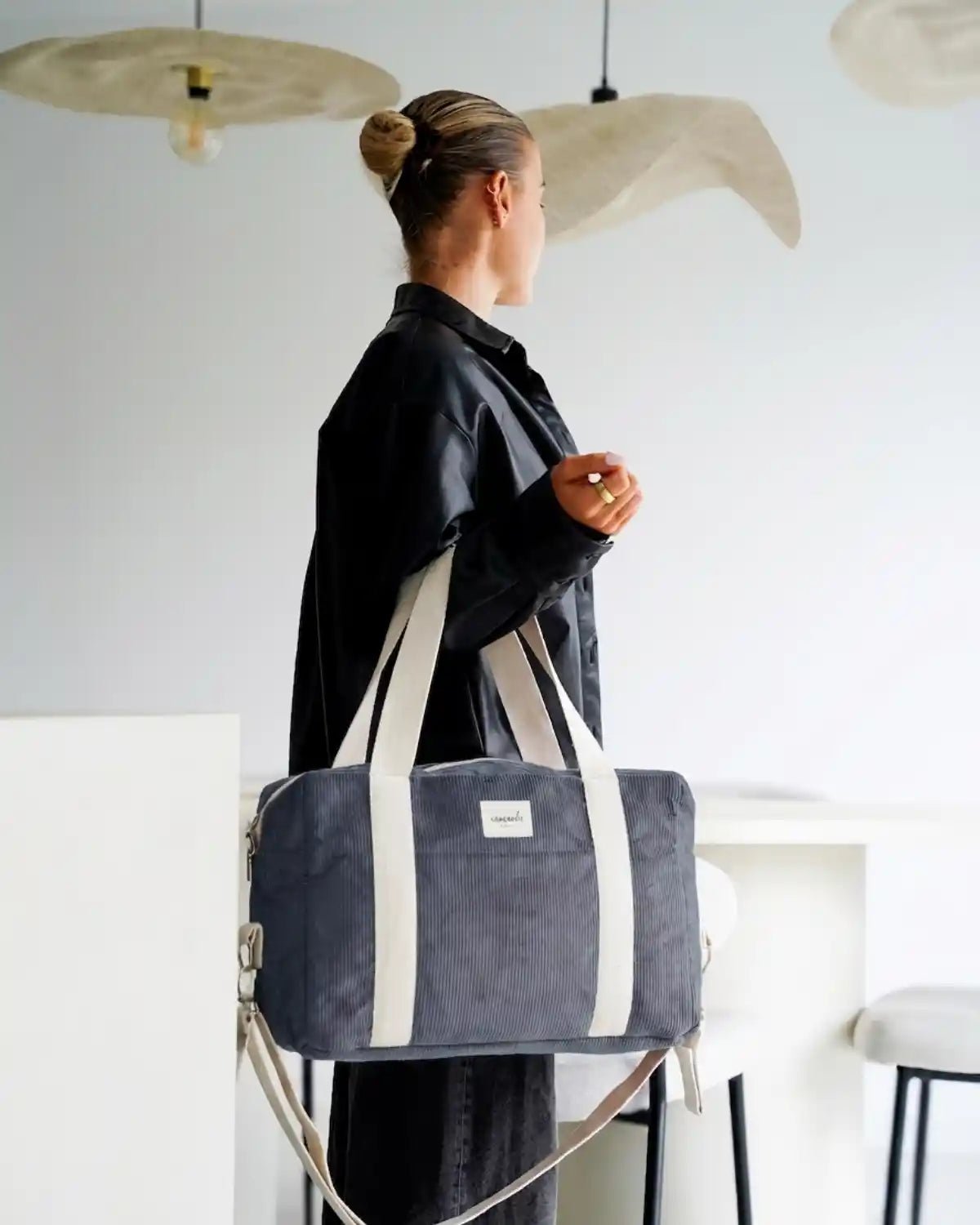
The cross-body or shoulder bag offers immediate access and a style that owes nothing to ordinary bags. Ideal for getting around town, for public transport, for outings where you put the bag down and pick it up again constantly. Its drawback: it puts more strain on a single shoulder, which can start to tell over a long day.
The rucksack: spreading the weight
A rucksack spreads the weight across both shoulders, which active parents will appreciate on long days. It hooks easily onto a pushchair handle. Its weak point: access is less immediate, and you will often have to take it off to open it.
The hybrid bag: the best of both worlds
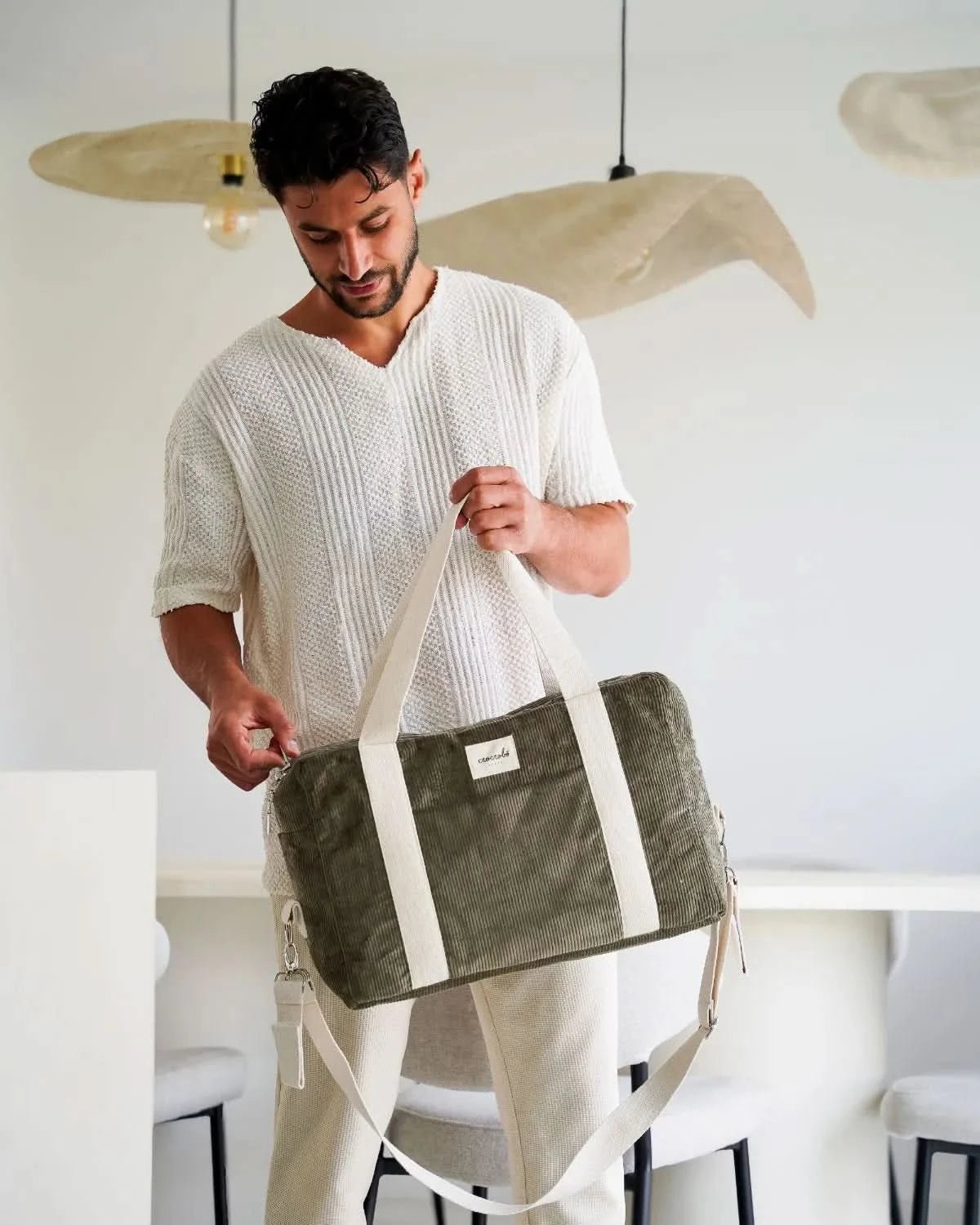
Several models in our collection offer hybrid carrying: an adjustable shoulder strap for short outings, removable back straps for long days. A versatility many parents discover and never give up.
Style: because you deserve to feel like yourself
The changing bag goes everywhere with you. It deserves to be beautiful — or at the very least, to look like you. That isn't superficial: it is simply an acknowledgement that becoming a parent does not put your identity on hold.
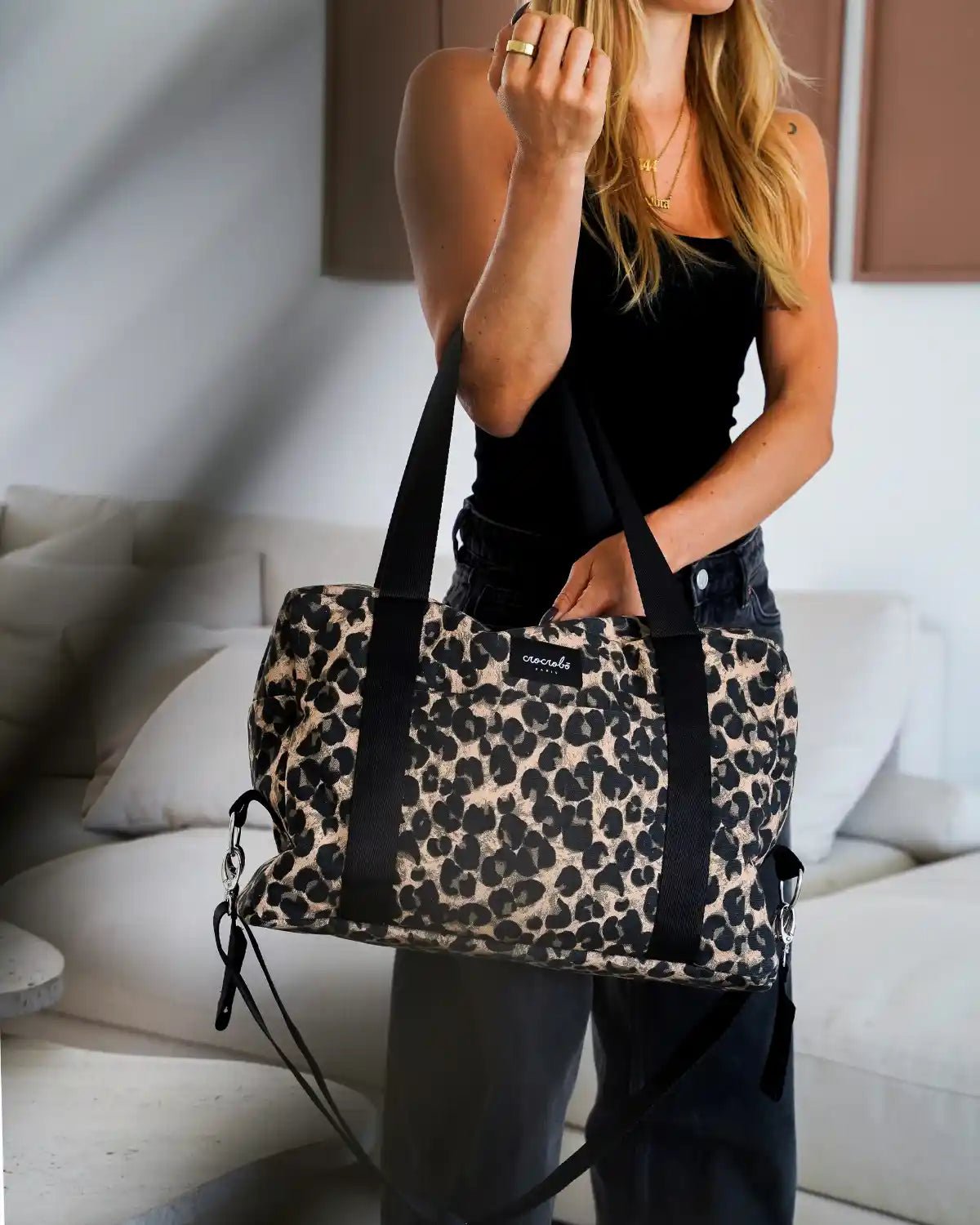
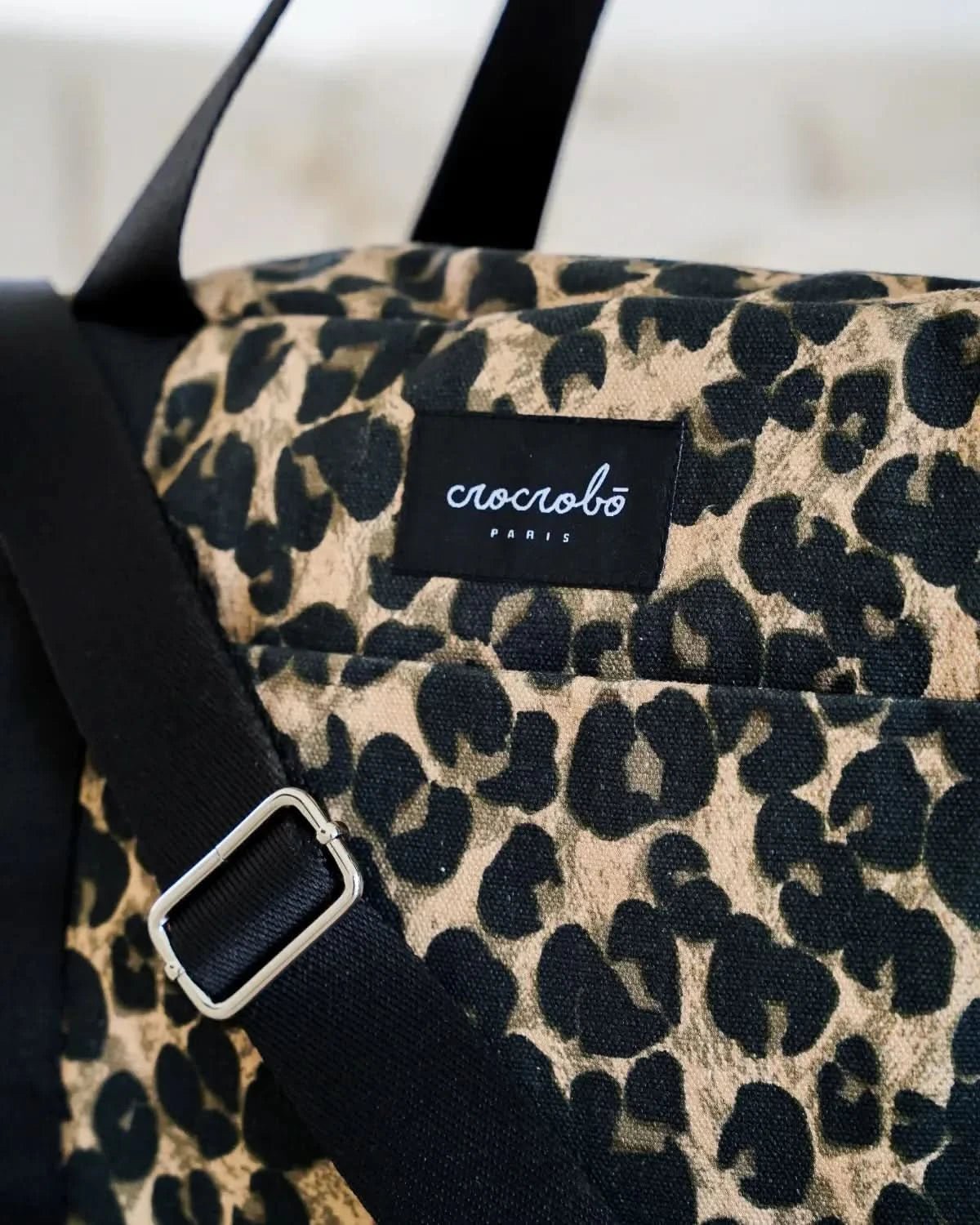
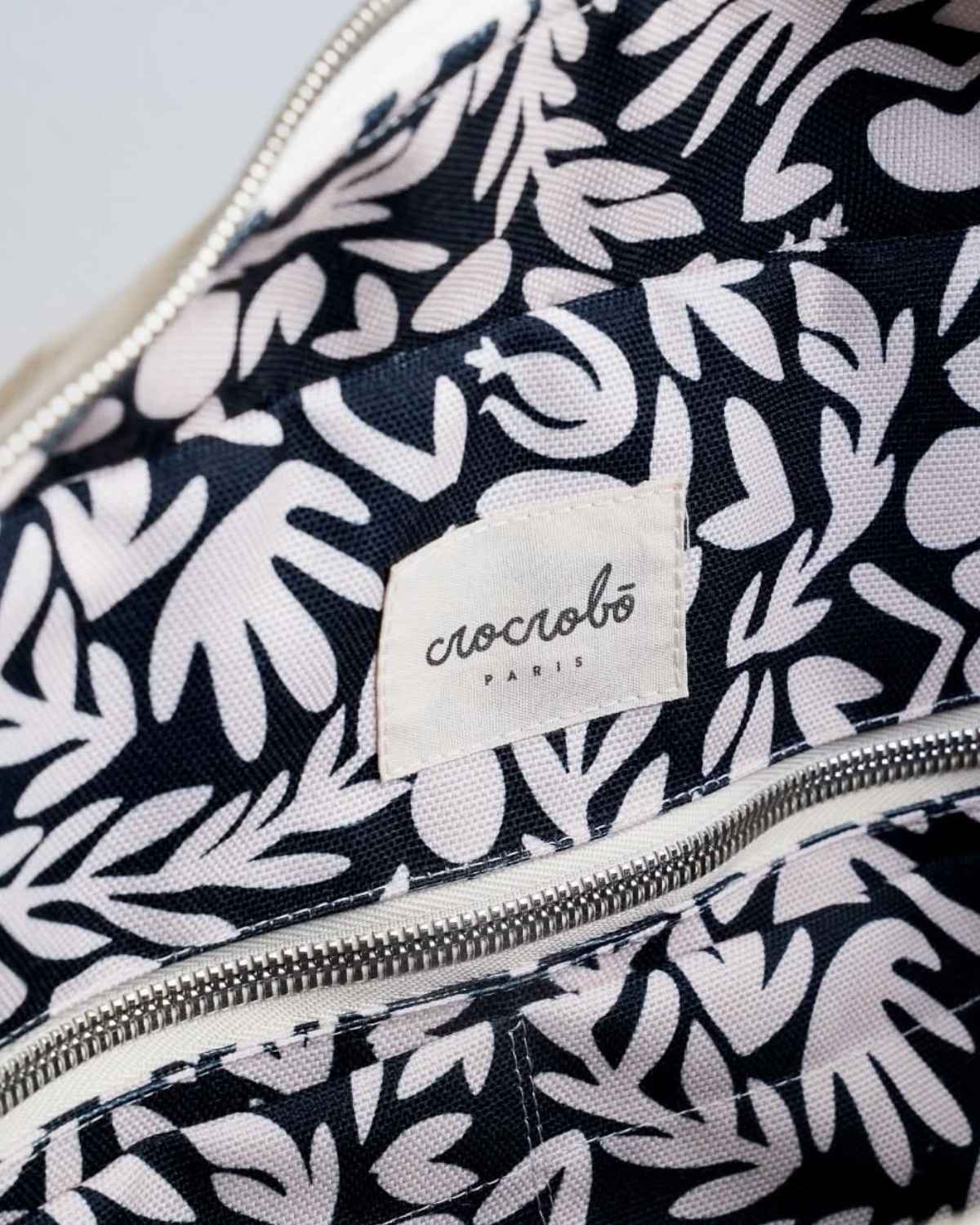
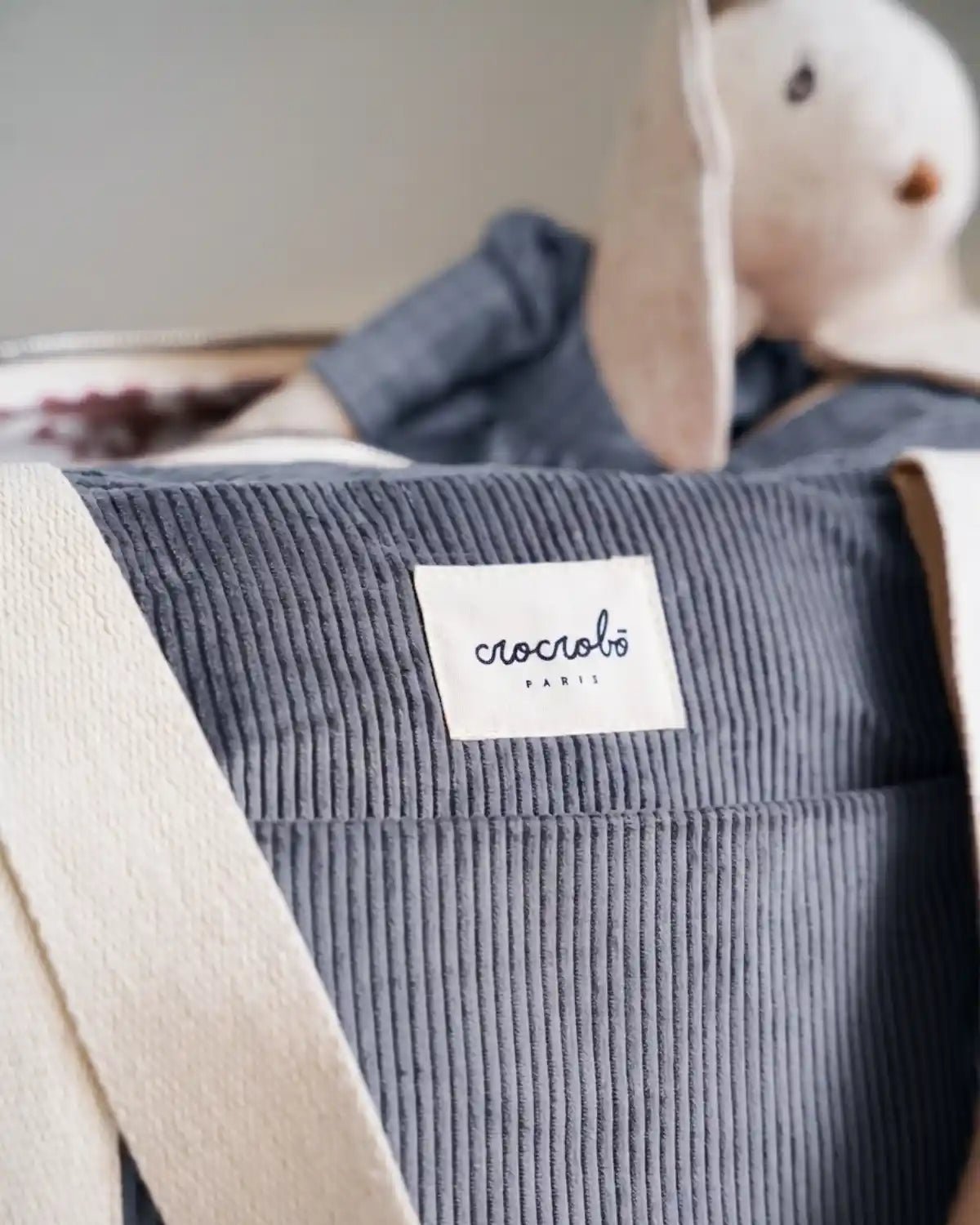
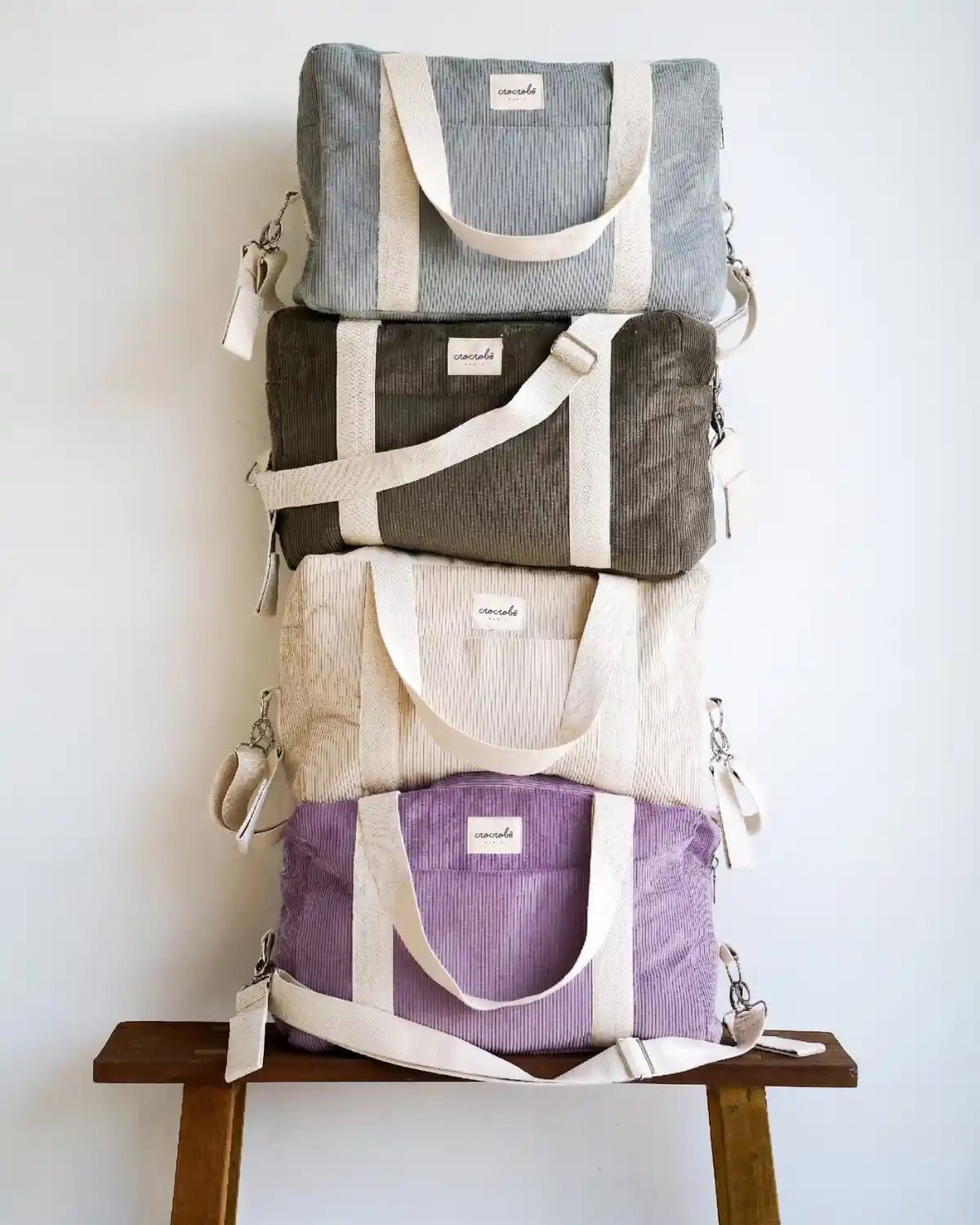
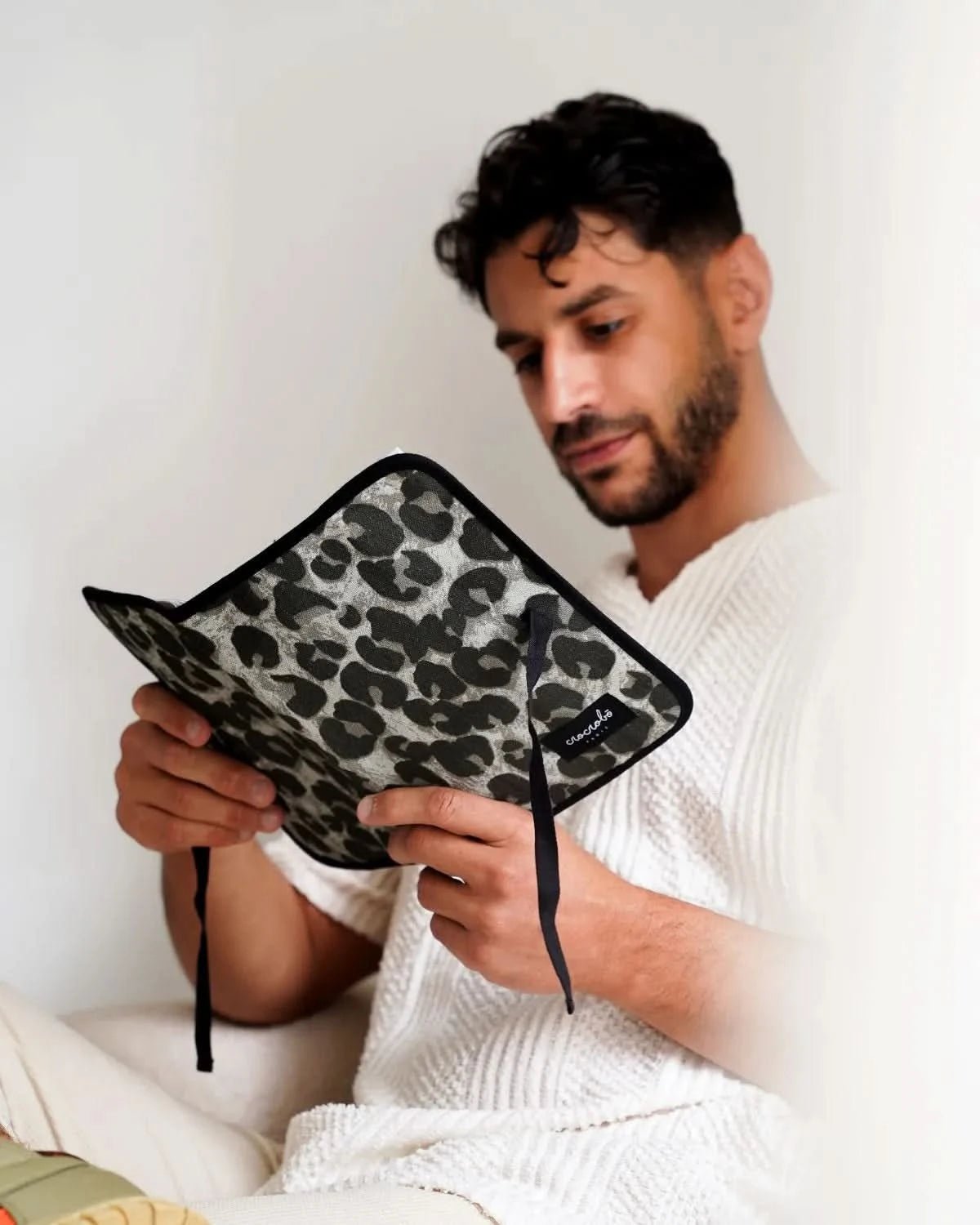
At Crocrobō Paris, we believe a baby accessory can be functional, eco-conscious and elegant all at once. That is why our collections explore colours and prints designed to move gracefully through the seasons — from natural sage to refined leopard, by way of contemporary florals.
Browse our Trio Accessories Pack for a complete introduction to the Crocrobō world. And if your baby is due in autumn, think about matching your bag with an Inaya footmuff — the winter-outing duo, brought together in our winter pack.
New or second-hand changing bag: the question we finally dare to ask
Seven parents in ten now buy at least part of their baby kit second-hand — excellent news for the planet and for the budget alike. So should you buy your changing bag second-hand?
Our honest answer: it depends on what you cannot check. With a second-hand bag, there is no way of knowing the care history of the inner lining — the one that holds bottles, dummies and changing kit. Zips, straps and pushchair clips are also the first parts to give out, and are rarely repairable. And a bag with no certification (or one whose certification can't be verified) no longer guarantees the absence of harmful substances in the textiles your baby will touch.
Our position at Crocrobō Paris: the real alternative to second-hand is a product that lasts long enough to be resold or passed on. A bag made from OEKO-TEX Standard 100 certified materials, produced in Europe in measured runs, with a waterproof lining that wipes clean in one movement — that is a bag that lasts two or three children, not two or three months. That is the point of our fair-price commitment: buy less, buy better, make it last.
Our checklist for choosing the right changing bag
Before you buy, here are the questions to ask yourself:
- How old is my baby? → Match the capacity accordingly
- How do I get about day to day? → On foot/public transport = shoulder strap; very active = rucksack; hybrid = both
- How many people will use the bag? → A unisex or adjustable bag makes sharing between partners easier
- Do I need a built-in changing mat? → Or would you rather have a separate one, which is more hygienic?
- Is the material certified and easy to look after? → OEKO-TEX, machine washable
- Does the style suit my daily life? → Functional and beautiful are not mutually exclusive
Have a specific question about our models? Our Your Reviews page is full of feedback from parents who have walked this path before you.
Frequently asked questions about choosing a changing bag
What capacity should I choose for a newborn's changing bag?
For a newborn, a capacity of 15 to 20 litres is ideal. It lets you carry the essentials — nappies, spare clothes, a blanket, a bottle or breastfeeding kit — without weighing your outing down unnecessarily. A bag that is too big tends to fill up with things you don't need and to weigh on your shoulders.
Is a shoulder changing bag better than a rucksack?
It all depends on your daily life. The shoulder bag is more accessible and more elegant for outings around town. The rucksack takes the strain off your shoulders on long days and clips easily onto the pushchair. Many parents opt for a hybrid model that allows both ways of carrying.
Does OEKO-TEX certification matter for a changing bag?
Yes, more than people think. OEKO-TEX Standard 100 guarantees that the textiles contain no substances harmful to health. Your baby will touch, lean against and sometimes put the bag's materials in their mouth. Choosing a certified accessory is a simple and meaningful precaution.
How do you look after a changing bag easily?
Go for a bag whose inner lining is machine washable or can be wiped with a damp cloth. Check the care instructions: some materials need a cold wash. Crocrobō Paris changing bags are designed to be hard-wearing and easy to look after day to day.
Should the changing mat be built into the bag?
Not necessarily. A built-in changing mat is handy but often difficult to wash properly. A separate travel changing mat, machine washable and compact, can be a more hygienic option you adapt to each outing.